Knit and satin maternity dresses tend to be the least sheer, because the fabric is one solid layer with nothing open or net-like in its weave. Lace, tulle and mesh can cover just as much, but only in the parts that have a matching lining behind them — wherever that lining stops, the fabric goes back to being see-through.
Satin and Knit Stay Opaque Without Any Lining
A tightly woven fabric like satin doesn't let light through the way a mesh or lace will, so it doesn't need a lining behind it to read as solid.
The Marguerite in Magenta is cut in one smooth, plain satin from the crossover V-neckline and long lantern sleeves down through the A-line maxi skirt, with no mesh or lace insert anywhere on the dress.
A fitted knit behaves the same way on its own, though a style can still add a sheer detail somewhere else on top of it. The Beatrix in Powder Blue keeps its bodycon knit body fully covered, and the only part that's see-through is the long sleeves, a sheer floral mesh running from the upper arm down to a fitted knit cuff.
Lace Can Cover Just as Much — When It's Lined
On its own, lace is an open, patterned fabric that light passes through; it only reads as solid where a matching lining sits behind it.
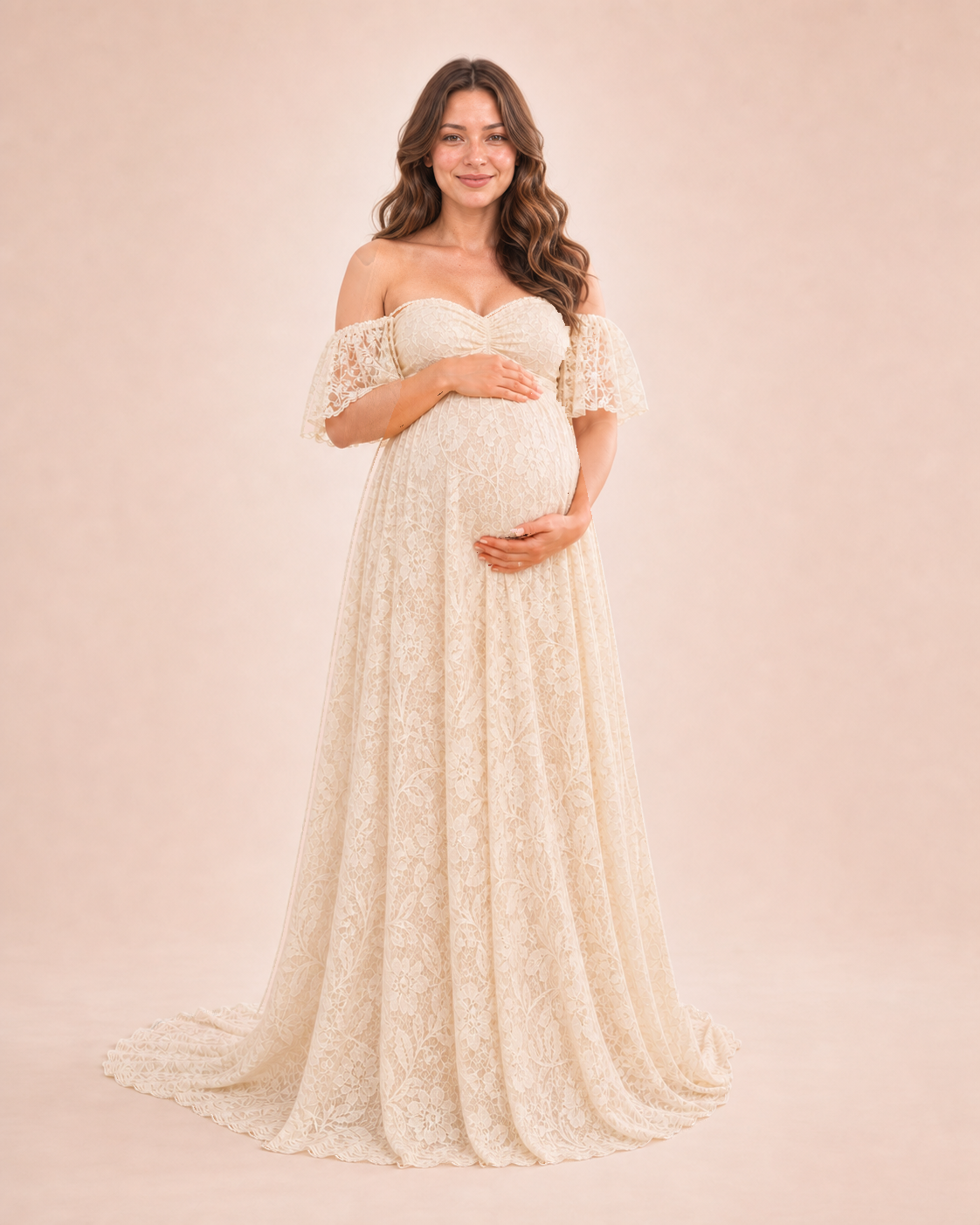
The Rowena in Black shows this clearly: the floral lace through the bust, bump, hips and skirt is backed by a matching black lining, so the whole body of the dress reads as solid black. The one part left without a lining is the bell sleeves, a single sheer layer that lets your arms show through.
With Tulle and Mesh, Check Exactly Where the Lining Stops
A tulle or mesh skirt can end up fully covered or only partly covered, depending on whether the lining underneath runs the same length as the outer layer.
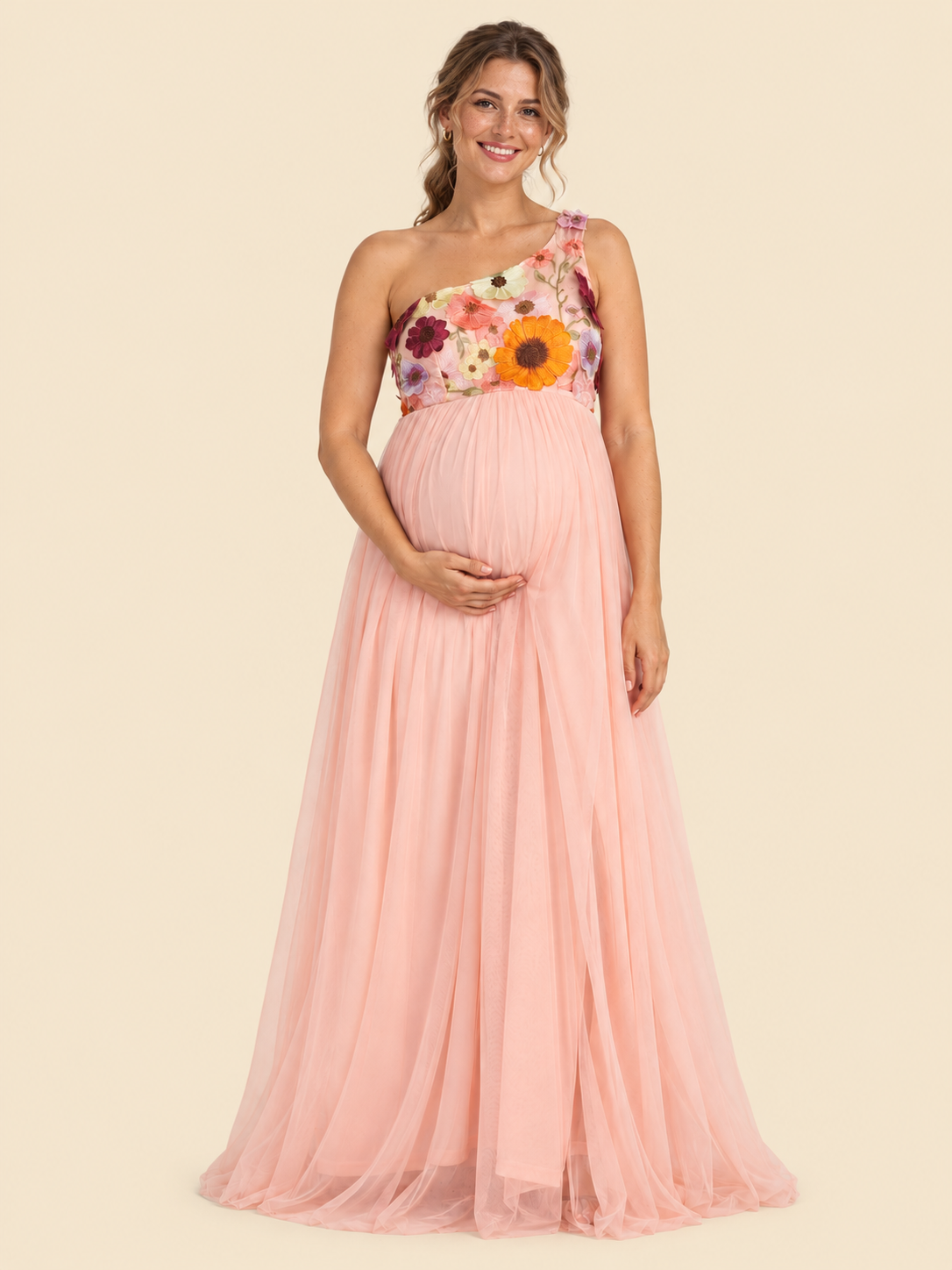
The Rosaline in Pink and the Celestine in Pink both make this point well. Rosaline's tiered mesh skirt sits over a pink lining, with sheer balloon sleeves left uncovered above it. Celestine covers her bodice and short sleeves completely in sequins, and only her gathered tulle maxi skirt goes sheer, right where its shorter lining stops short of the tulle and leaves a soft band showing at the hem.
How to Check Coverage on Any Dress Before You Choose
The fastest way to judge coverage is to read exactly where a fabric description says lined and where it doesn't, rather than going by the fabric name alone.
A few things worth comparing: whether the lining runs the same length as the outer layer or stops short of it, whether sleeves are described separately from the body, and whether a hem is called out as having a sheer edge. Two dresses in the same fabric can cover you differently once you line those details up side by side, so it helps to read the neckline, sleeve and skirt notes one at a time instead of skimming for the fabric name alone.
It also helps to think about where coverage matters most to you. Some moms-to-be only want more coverage through the chest and bump, and are fine with a sheer sleeve or hem; others want the whole dress to read as solid from neckline to ankle. Once you know which parts matter, you can check each dress against that rather than against a general idea of what lace or mesh usually looks like.
If more coverage matters to you throughout, our modest maternity dresses and long sleeve maternity dresses collections are a good place to start. Color plays a part here too, so once you've settled on a fabric, our guide on reading coverage notes across colors is worth a look.
Related guides
- What to Wear on a Babymoon for More Coverage
- What to Wear to Your Birthday for More Coverage
- Christmas Maternity Dress Ideas for More Coverage
- Which Necklines Give More Coverage in a Maternity Dress?
- Which Sleeve Styles Give More Coverage?
Ordering for a date? Orders ship in 2–4 business days and arrive 5–8 business days after shipping, about 7–12 business days in total, and shipping is free on every order. Allow at least 3 weeks before your event: enter your date on our Shipping Policy page to see the latest day to order, or contact us before you order if your date is closer.
FAQ
Is lace always see-through on a maternity dress?
Not when it's lined. A lace dress reads as solid wherever a matching lining sits behind it, and stays sheer only where that lining stops, often the sleeves or a hem edge.
Are knit maternity dresses see-through?
A plain knit is usually opaque on its own, since it's one solid layer rather than an open weave. Some knit dresses still add a separate sheer mesh sleeve or panel, so it's worth checking each part on its own.
Does a lining make a tulle or mesh skirt fully opaque?
Only if the lining runs the same length as the outer layer. Some dresses cut the lining a little shorter than the tulle, which leaves a sheer band showing right at the hem.
What's the least sheer fabric option for a maternity dress?
A tightly woven fabric like satin, or a fully lined lace or mesh, gives the most coverage with the least see-through fabric.