Comfortable maternity dresses are not defined by one fabric name or the word “soft.” For your baby shower, photoshoot, or family gathering, look at what touches your skin, where the dress is lined, how the seams and closures are placed, and how the whole dress feels when you move.
You want to be present when everyone gathers around you—not thinking about a neckline edge every time you hug someone or a cuff every time you reach for a gift. A little close reading before you order, followed by one thoughtful try-on at home, can help you choose with more confidence.
Are Comfortable Maternity Dresses Defined by Fabric Alone?
No. Fiber content is useful, but construction, lining, skin-contact areas, and your own sensory preferences matter just as much.
Start by separating the dress into layers. The outer layer may create the color, shimmer, or movement you loved in the first photo. The bodice lining or skirt lining may be what rests against you. Then there are smaller contact points: the neckline edge, armhole, cuff, side seam, under-bust or empire seam, zipper, and hook-and-eye.
This is why a list that says polyester, elastane, lace, chiffon, jersey, or knit cannot answer the whole comfort question. Composition tells you what the maker lists; it does not tell you how a particular edge will feel on your skin or whether you will enjoy wearing that structure through lunch, photos, and gift-opening. Treat the fabric name as the beginning of your decision, not the ending.
What Does “Soft” Actually Tell You on a Dress Page?
“Soft” describes an impression, not a complete wearing experience. It becomes more useful when the same listing also explains the composition, layers, sleeves, neckline, waist seam, and closure.
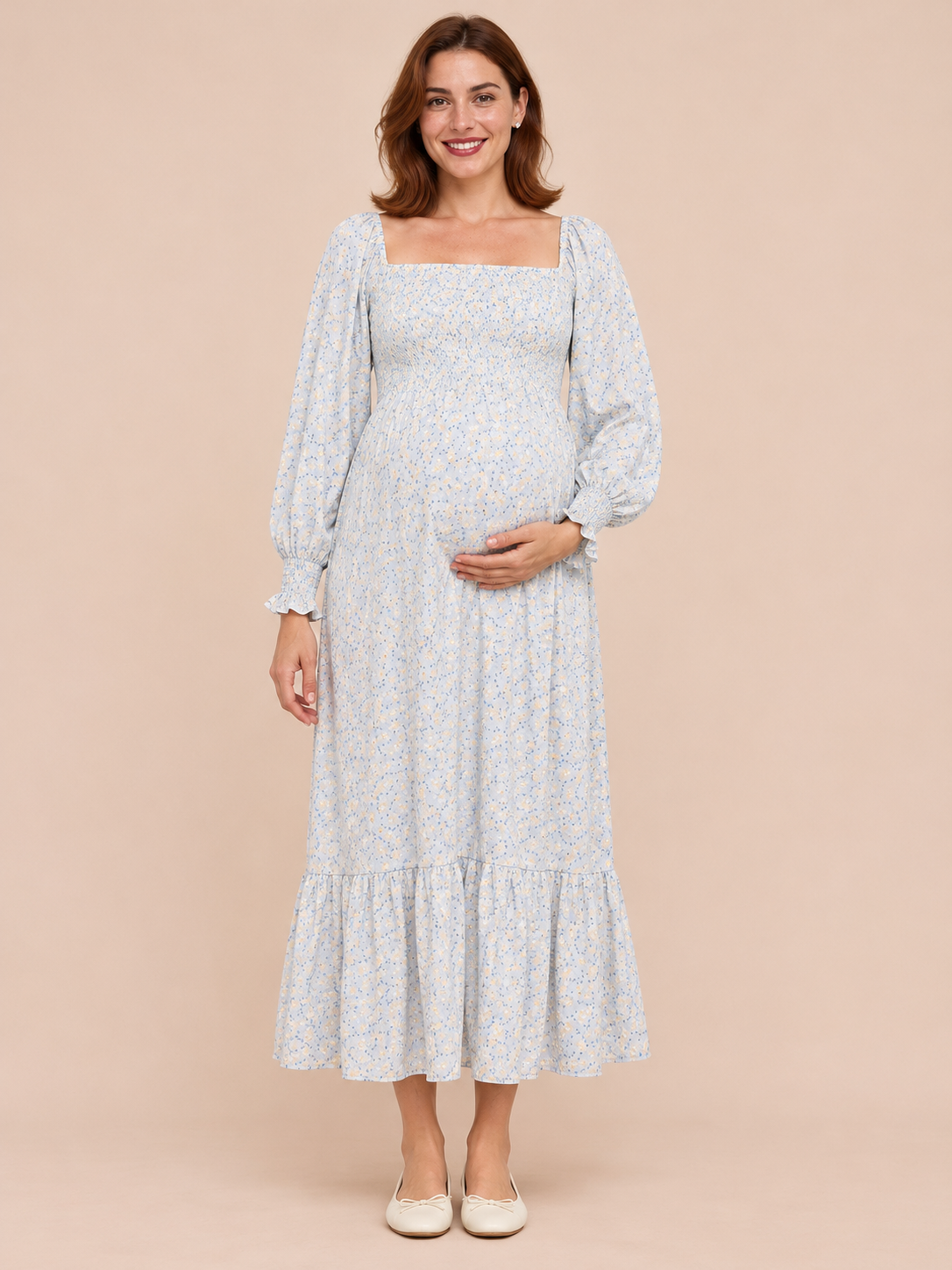
Picture the dress during your actual celebration. A smooth skirt may feel lovely while standing, yet your shoulders may notice a fitted sleeve when you lift your arms. A flowing overlay may move beautifully near a window, while the edge of a back zipper is the part you notice when seated. Neither observation makes the dress good or bad; it simply gives you a more precise question to answer.
When details are sparse, you can ask where the lining begins and ends, whether a decorative edge directly touches the skin, and what closes the dress. That is more useful than trying to translate one adjective into an all-day promise.
How Should You Read a Lace Maternity Dress or Maternity Tulle Gown?
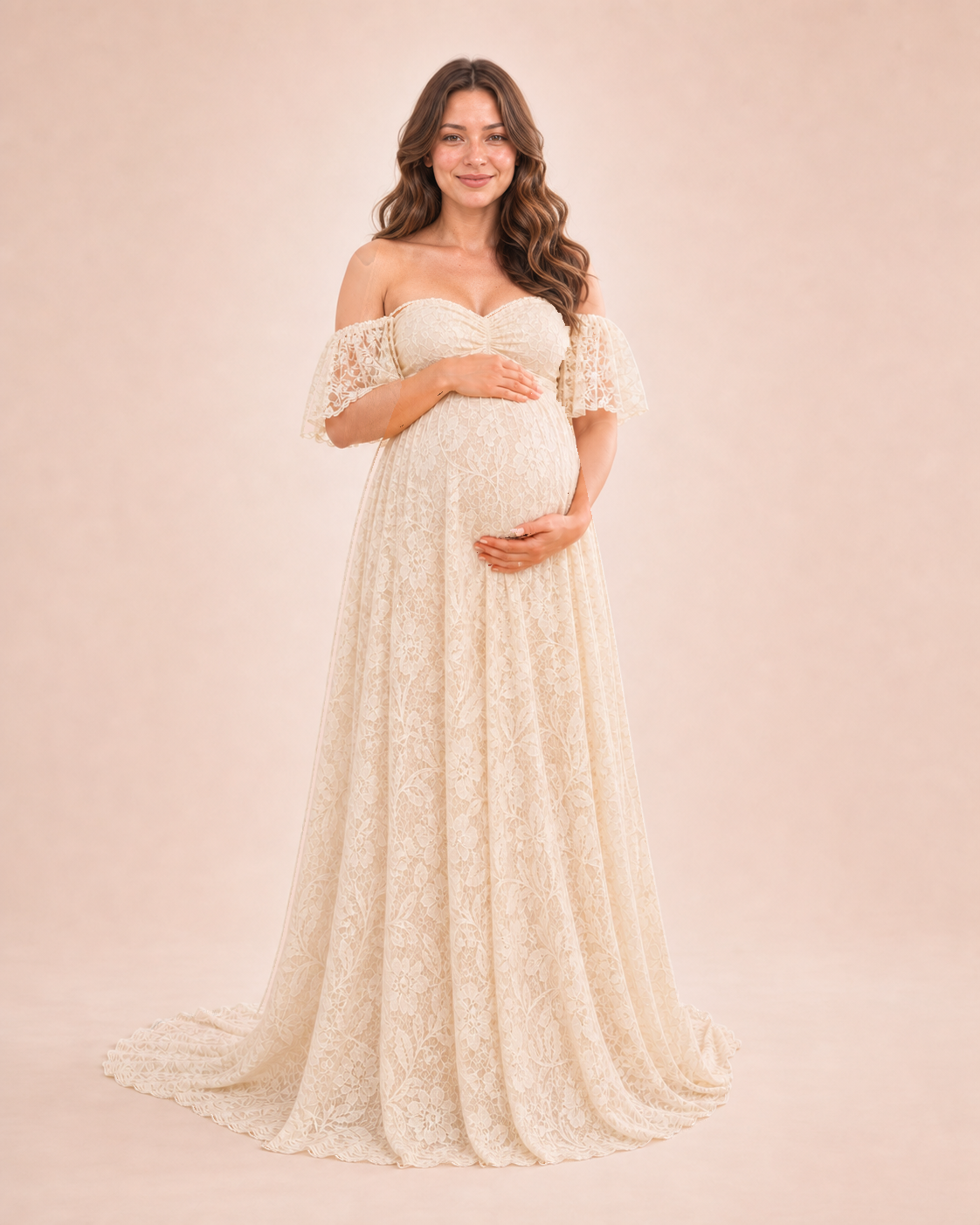
Read the overlay, lining, and exposed edges separately. Lace, tulle, and mesh describe visible materials or layers, but they do not tell you by themselves what will touch your skin.
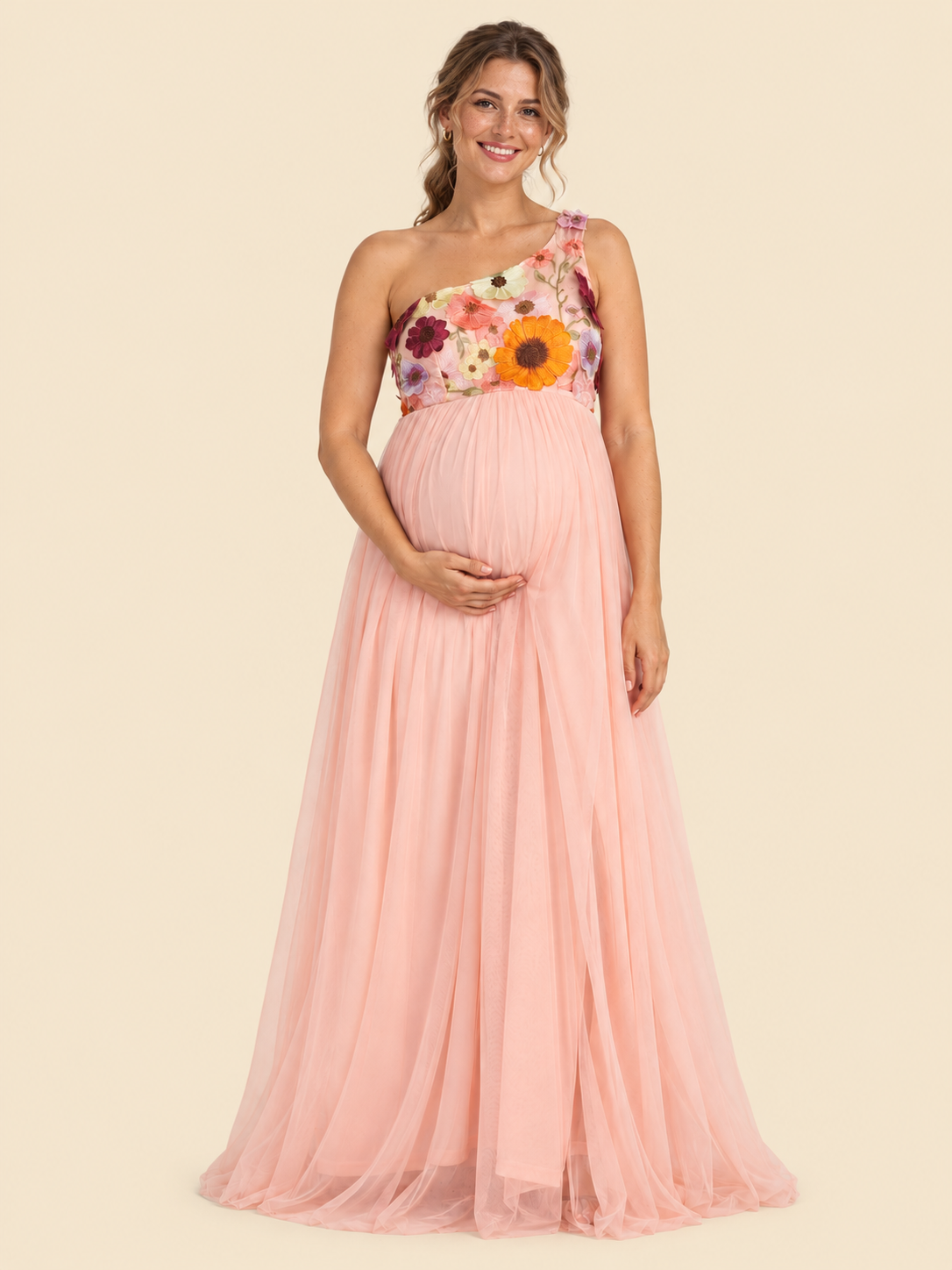
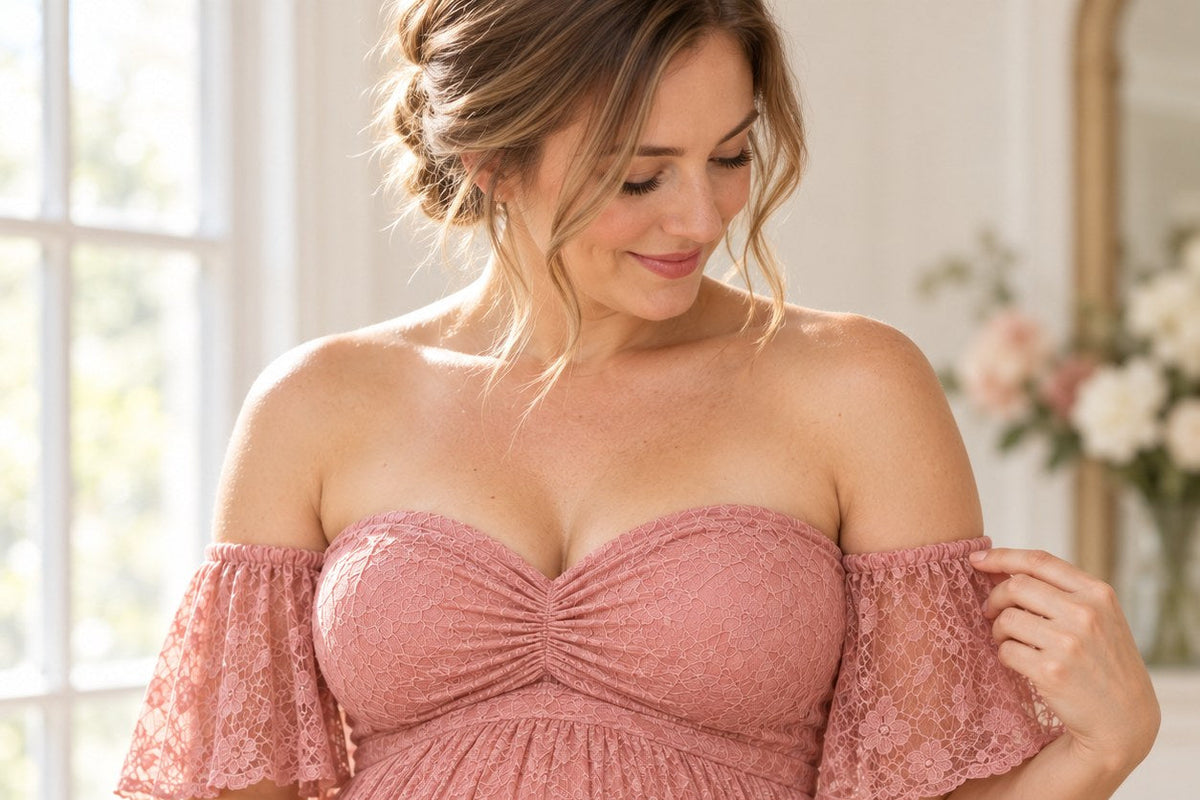
For a lace maternity dress, look closely at the neckline edge, armholes, sleeve cuffs, side seams, and the seam beneath the bust. For a maternity tulle gown, check whether the listing identifies a bodice lining, skirt lining, or sleeve lining, then notice where uncovered tulle or mesh begins. The same method works for floral lace, embroidered mesh, and a layered chiffon skirt.
You can browse tulle and mesh maternity dresses with those questions in mind. If you want to understand coverage language more closely, our guide to what a lining note does—and does not—tell you explains why “lined” still needs a location.
Can a Satin Maternity Dress Feel Different at the Seams?
Yes. Even when you like the surface of a fabric, a seam, zipper, elastic edge, or hook-and-eye can create a different sensation in one small area.
With a satin maternity dress, first identify the silhouette and closure rather than assuming the word satin answers the comfort question. Is there a side seam where your arm rests? Does a back zipper reach the neckline? Is the empire seam fixed or elasticized? Is the sleeve long, short, fluttered, or absent? Those details help you anticipate where to pay attention during a try-on.
As you compare satin maternity dresses, imagine the event itself: sitting for lunch, turning for family photos, lifting your arms for a hug, and walking between indoor and outdoor spaces. The goal is not to predict a sensation from a screen. It is to arrive at home with a clear idea of what you want to feel and check.
Which Product Details Matter Before a Baby Shower?
Prioritize composition, lining locations, neckline, sleeve shape, closure, current size availability, and care instructions. Then compare those details with your week at the event and the way you expect to spend the day.
| Detail to find | What it helps you judge | What to notice at home |
|---|---|---|
| Composition | Which fibers are listed for that dress | Your response to the actual fabric and layers |
| Bodice, skirt, or sleeve lining | Where an inner layer is identified | Where the lining ends and an overlay begins |
| Neckline and sleeves | Likely contact around shoulders, arms, and chest | Edges at the neck, armhole, and cuff |
| Waist seam and closure | Where structure sits on the dress | The under-bust seam, zipper, elastic, or hook |
| Size details | Which option fits your measurements and event date | Bust, shoulders, seam placement, bump room, and length |
For example, the Theodora Silver Keepsake maternity dress is currently described with a V-neckline, long fitted sequin sleeves, a silver sequin bodice, a high waist seam beneath the bust, an A-line tulle maxi skirt, and main fabric of at least 95% polyester; its listed sizes are S through XL. Those details tell you exactly which areas deserve attention, but your try-on tells you how those areas feel to you. If a detail you need is missing, the shop FAQ is a useful place to begin before choosing.
How Can You Test the Dress at Home Without Wearing It Out?
Keep the tags and packaging, leave the dress unwashed and unaltered, and try it indoors with the undergarments you plan to wear. Give yourself enough time to notice the dress while standing, sitting, reaching, hugging, and walking.
- Dress for the real occasion. Use the bra, shapewear if any, and shoes you expect to pair with the dress.
- Pause at each contact area. Notice the neckline edge, armholes, cuffs, under-bust seam, side seams, and back closure.
- Move through your celebration. Sit in a dining chair, raise your arms, reach forward, walk across the room, and practice a gentle hug.
- Look in two kinds of light. Check the full look near natural window light and again with the camera flash you may use for indoor photos.
- Decide while the dress remains returnable. BabyShowerDress accepts return requests within 30 days of delivery for eligible items that remain unworn outside the home, unwashed, unaltered, with tags and packaging intact. For a size issue or change of mind, the customer pays return shipping; read the Return & Refund Policy for the complete conditions.
For a fuller rehearsal, see how to test sitting, hugging, and gift-opening movement. If heat, swelling, pain, skin sensitivity, or another physical concern affects what you can comfortably wear, ask your doctor or midwife for guidance.
When Should You Stop Comparing and Choose?
Choose when one dress gives you enough specific information, has your event-date size available, and leaves room for an unhurried home try-on and a thoughtful decision.
A simple comparison can keep a long evening of tabs from becoming more confusing:
- Keep two or three candidates with clearly listed materials and construction.
- Circle the skin-contact areas you care about most.
- Compare the available size with your measurements and your week at the event—not only the size you wear today.
- Favor the option you can calmly receive, try indoors, and reconsider while the return window is still useful.
The dress is there to support the memory: sunlight across the room, your favorite people leaning closer, and photos you will return to after the cake is gone. Comfortable maternity dresses should help you stay with that moment, not win a contest of marketing adjectives.
Frequently asked questions
The most helpful answers connect the dress to your occasion, your event date, and your own wearing experience. Use these questions to narrow your choices without turning your changing body into a problem to solve.
What is the most flattering maternity dress?
Look for a silhouette that suits the gathering, feels like you, and lets you move through the day as planned. Use the listed measurements, neckline, sleeves, seam placement, and length to judge the individual dress; “flattering” does not require correcting or disguising your body.
How many weeks should you start wearing maternity clothes?
You can begin whenever your current clothes no longer feel right for you. For a fixed celebration, focus on your week at the event, your measurements, the dress details, and an at-home try-on rather than choosing one universal week.
What are the most comfortable clothes for maternity?
There is no single fabric or silhouette that feels the same to everyone. Composition, stretch, layers, seams, closures, skin-contact areas, and your own response during movement all contribute to comfort.
Is it better to buy maternity clothes or just bigger sizes?
It depends on the cut and what you need for the occasion. A larger size in a standard dress may change the shoulders, neckline, bust, and length without placing the waist seam where you want it, so compare the actual garment measurements and construction instead of relying on the label alone.
Your celebration deserves room for laughter, family, and the quiet second before everyone turns toward the camera. When you are ready to compare comfortable maternity dresses with visible texture and structure, explore the collection of lace maternity dresses and choose the details that feel right for the moment you will keep.