A few ordinary habits cover most of what a maternity dress needs: ease out wrinkles before wearing, give it room in storage, and pack it so the fabric doesn't crease. None of this calls for special equipment, just a little attention to the fabric you're working with and a quick check of the care label first.
Steaming and Pressing Out Wrinkles
Light fabrics like tulle and chiffon generally release wrinkles fastest with gentle steam held a short distance from the fabric, rather than direct heat pressed straight onto it.
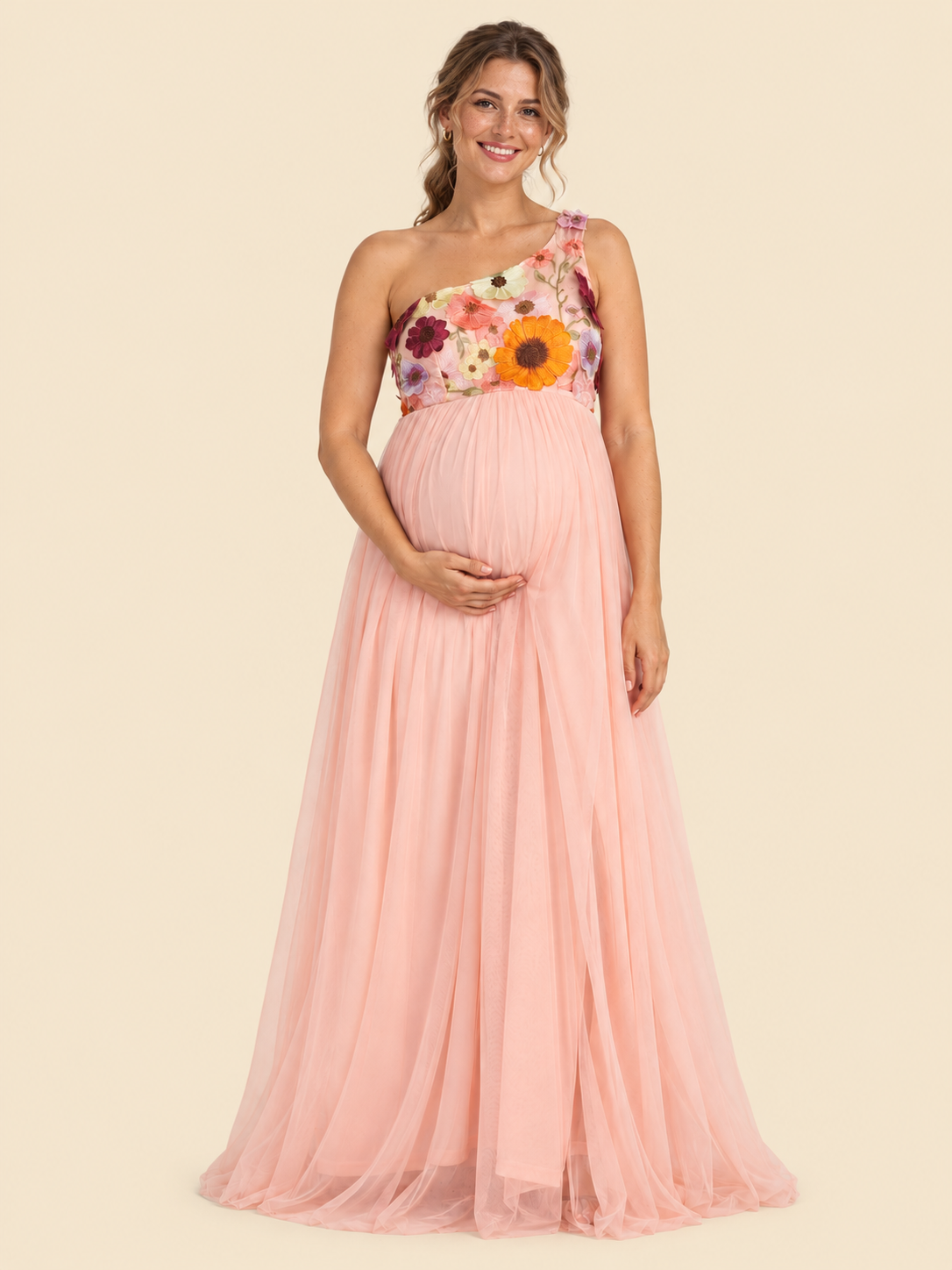
A handheld garment steamer, or the steam setting on an iron held slightly off the surface, tends to work well on a full skirt: run it in long, even passes and let gravity help pull the wrinkles out as the fabric hangs. Juliette's tulle skirt, for example, falls from a high waist over its own opaque lining, so steam can reach the sheer tulle layer without needing to go near the lining underneath it. Test a hidden seam allowance first, and check the care label before using heat near any lace, sequins or delicate trim.
Storing Your Dress So It Keeps Its Shape
A dress with a full or tiered skirt generally holds its shape most easily when it hangs with some space around it, rather than folded flat under other clothing.
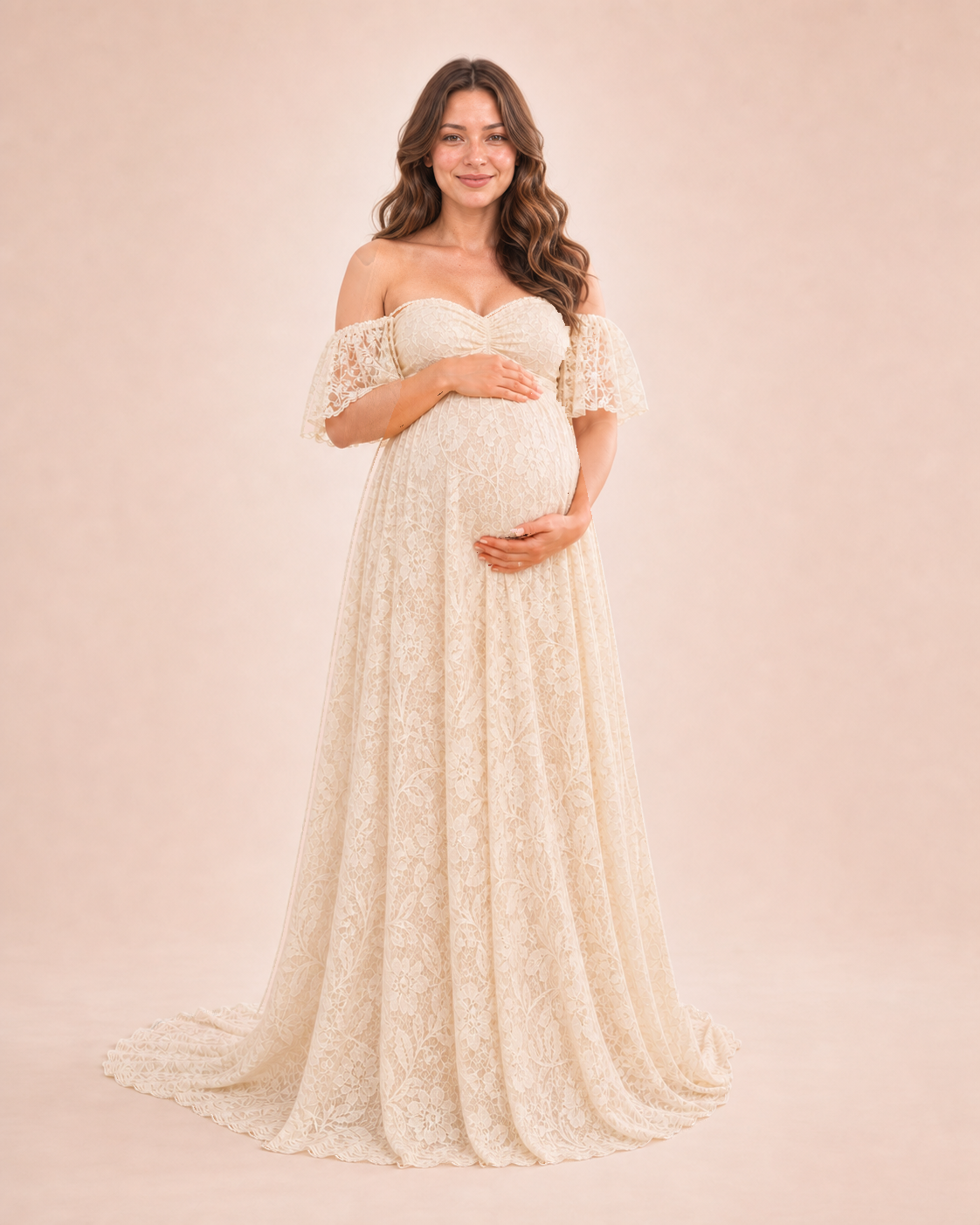
Hanging gives a gathered or layered skirt room to fall naturally instead of creasing against whatever it's stacked beneath, and a breathable garment bag is usually a better choice than sealed plastic for anything stored for more than a few days. A dress with a smooth, satin-sheen finish, like Valentina's flowing A-line skirt, can pick up a pressure mark if something heavy rests against it for a while, so keep the hanging space clear on both sides.
Packing a Dress for a Trip
A lightweight, flowing fabric generally packs easier than a stiff or heavily structured one, since it folds without holding a sharp crease.
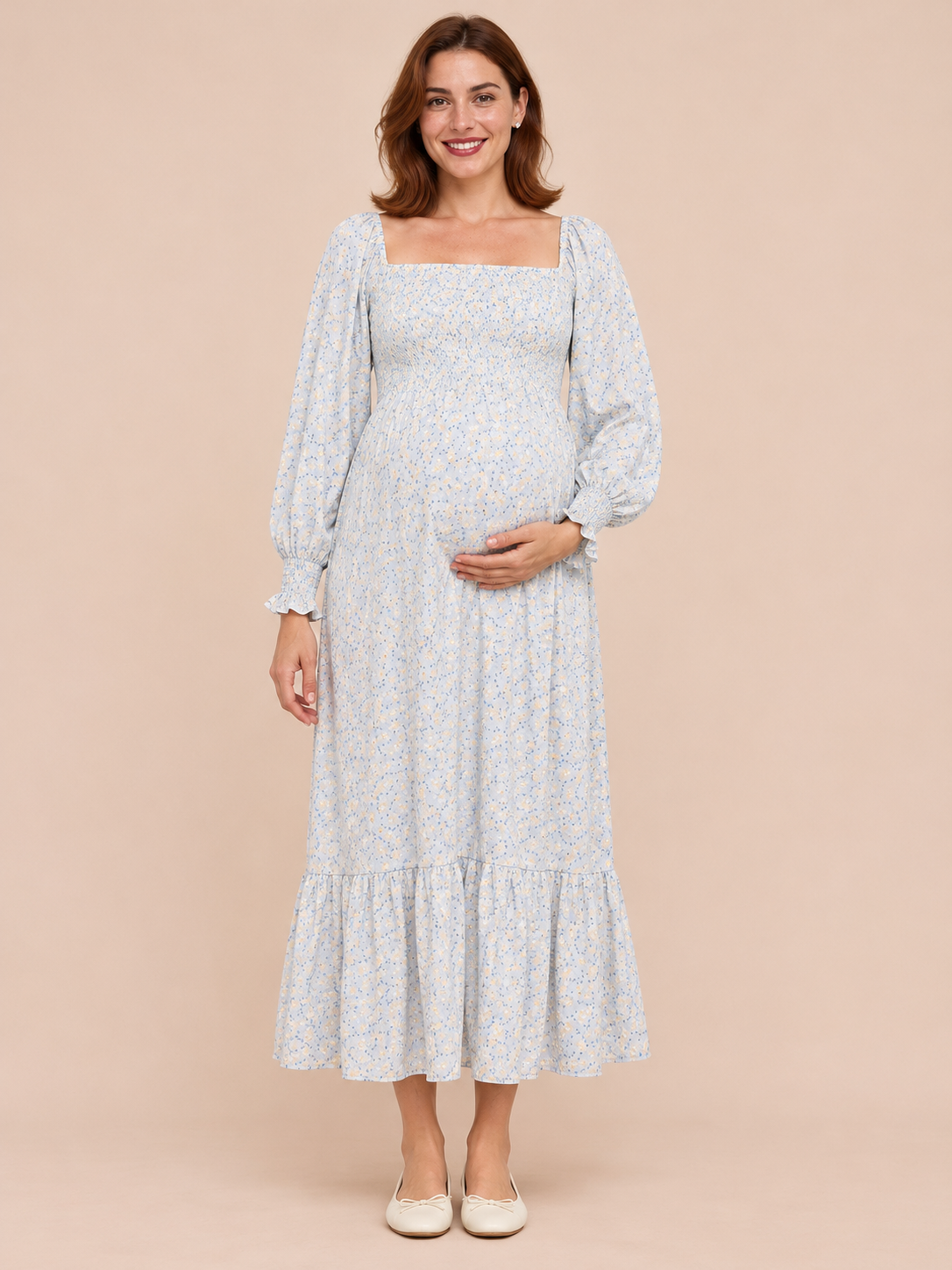
Rolling a dress loosely, with a layer of tissue paper or a soft scarf between folds, tends to leave fewer hard lines than folding it flat into a suitcase. Saskia's lightweight print, which drapes into easy folds instead of standing stiff, travels well this way; see the fabric details for a closer look at how it moves. Once you reach your destination, hang the dress up as soon as you can so gravity gets a head start on smoothing out whatever settled in during the trip.
Quick Fixes for Small Spots and Snags
Most small marks, like a touch of makeup near the neckline or a faint smudge, come out with a gentle, targeted approach rather than a full wash.
- Blot a fresh mark rather than rubbing it, working from the edges in, so it doesn't spread further into the fabric.
- Test any cleaner on a hidden seam allowance first, since a sheer or delicate layer can react differently than the sturdier fabric beneath it.
- Handle a separate sheer piece, like a cape or an overlay, on its own rather than tugging on the seam that attaches it. Rosamund's matching cape is a good example of a separate sheer chiffon layer you can treat apart from the rest of the dress.
- When in doubt, stop and check the care label before trying anything stronger than a damp cloth.
Looking for a dress that's naturally easy to live with between now and the event? A simple knit or a single-layer style in our sleeveless or short-sleeve collections tends to need less fuss than a heavily layered gown, and a maxi length gives you the most practice with steaming or folding a longer hem.
Ordering for a date? Orders ship in 2–4 business days and arrive 5–8 business days after shipping, about 7–12 business days in total, and shipping is free on every order. Allow at least 3 weeks before your event: enter your date on our Shipping Policy page to see the latest day to order, or contact us before you order if your date is closer.
FAQ
How do I get wrinkles out of a tulle or chiffon maternity dress?
Hold a garment steamer, or an iron on its steam setting, a short distance from the fabric and let gravity help pull the wrinkles out as the dress hangs. Avoid pressing an iron directly onto sheer or delicate layers.
Should I store my maternity dress folded or hanging?
Hanging is usually better for a full or tiered skirt, since folding can press creases into gathered fabric. Give it some breathing room in a breathable garment bag rather than sealing it tightly in plastic.
What's a good way to pack a maternity dress for a trip?
Roll it loosely with tissue paper or a soft scarf between folds instead of folding it flat, then hang it up as soon as you reach your destination so gravity can help smooth out the trip.
Can I get makeup or deodorant marks out of a maternity dress myself?
Blot a fresh mark gently from the edges in and test any cleaner on a hidden seam allowance first. Check the care label before using anything beyond a damp cloth, and treat a separate sheer layer, like a cape, apart from the rest of the dress.